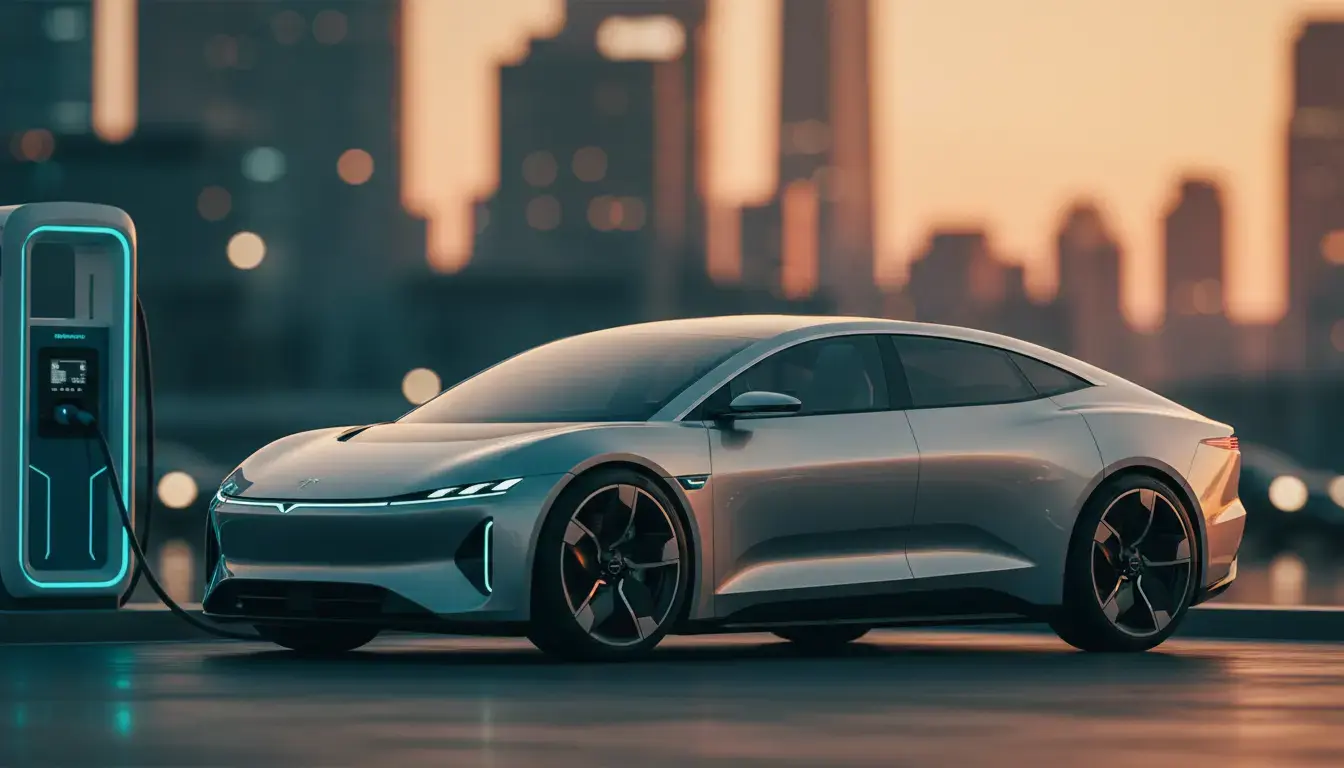
Breaking: The era of solid-state batteries is officially dawning, with production trials kicking off in 2026. This isn’t just about a new car; it’s about a paradigm shift in electric vehicle technology. You’ll see EVs with incredible range and lightning-fast charging, transforming your daily drive.
Key Takeaways
- Solid-state battery production trials begin in 2026, with first vehicles soon.
- Toyota projects up to 917 miles of range on a single charge by 2026-2027.
- Expect ultra-fast charging, 10-80% in just 10 minutes.
- Enhanced safety is a major benefit, reducing fire risk.
- SAIC’s MG4 Anxin Edition already debuted on November 21, 2025, with semi-solid-state tech.
This isn’t some distant dream; it’s happening now. Solid-state battery technology promises to revolutionize electric vehicles, making them more practical and appealing than ever before. You’ll get to experience dramatically improved ranges, super-fast charging speeds, and significantly enhanced safety features.
Design & Interiors
Here’s what stands out: solid-state batteries offer much higher energy density. This means a smaller, lighter battery pack can deliver the same, or even more, range. Think about your future EV’s design: automakers could create more spacious interiors, freeing up cabin room by reducing the battery’s physical footprint.
And it’s not just about space inside. Lighter battery packs also mean sleeker, more aerodynamic exterior designs. You could see vehicles with lower profiles or more versatile body types, perfect for city parking in tight spaces or smooth highway cruising. SAIC’s MG4 Anxin Edition, debuting on November 21, 2025, with semi-solid-state tech, hints at these future possibilities.
Get the Latest Updates
Join our community for new car launches, expert reviews, and exclusive auto industry insights.
Engine Performance
Solid-state batteries aren’t just about range; they’re about raw power too. With energy densities soaring from 500-700 Wh/kg, compared to 250-300 Wh/kg for lithium-ion, these new batteries store significantly more energy. This higher density translates directly into better acceleration and sustained power delivery for your electric motor.
You’ll feel that instant torque for city driving, and enjoy strong pulls during highway overtakes. QuantumScape aims for 0-80% charging in 15 minutes, adding 400 miles of range, showing the rapid energy throughput these batteries can manage. That’s serious performance.
Safety Features
Safety is a paramount concern, and solid-state batteries bring a major advantage here. They use solid electrolytes instead of the flammable liquid electrolytes found in traditional lithium-ion batteries. This switch dramatically reduces the risk of fire and thermal runaway, offering you and your family greater peace of mind on every journey.
So, you can relax, knowing your EV is powered by a technology designed with enhanced protection in mind. This means a safer ride for you, your passengers, and even for emergency responders. It’s a huge step forward for automotive safety.
Mileage & Range
This is where solid-state batteries truly shine. Imagine driving an EV that goes the distance, really goes the distance. Toyota is projecting an incredible 917 miles on a single charge for its solid-state vehicles entering limited production in 2026-2027. QuantumScape aims even higher, targeting 1,000-mile EV ranges by 2028.
And it’s not just about maximum range. Dongfeng plans for over 620 miles of range with 350 Wh/kg energy density by September 2026. Think about it: weekend road trips to the hills without charging anxiety, or weeks of daily commutes on a single charge. Charging times are equally impressive, with capacities to charge from 10-80% in approximately 10 minutes, comparable to petrol refuelling. Lithium-ion typically takes 30-45 minutes for the same charge, but your solid-state EV will be ready to roll in just minutes.
Pricing & Variants
Currently, solid-state batteries are significantly more expensive to produce. They cost around 8 times more per kWh than lithium-ion batteries today. But honestly, that’s changing rapidly. BYD aims to reduce the cost of all-solid-state batteries to $70/kWh by 2026, which would put them on par with current liquid batteries.
Industry experts predict price parity between electric and petrol cars around 2026, with cost parity for solid-state tech projected around 2035 as production scales. You’ll see prices become more competitive as this technology matures.
| Battery Type | Current Cost (approx) | Projected 2026 Cost |
|---|---|---|
| Lithium-Ion | $70/kWh | $70/kWh |
| Solid-State | $560/kWh (8x Li-Ion) | $70/kWh (BYD target) |
Expert Analysis
Solid-state battery technology isn’t just an incremental upgrade; it’s a genuine leap forward for EVs. Compared to current lithium-ion models, this tech offers vastly superior range and charging speed, directly addressing the two biggest anxieties for potential EV buyers. Companies like Toyota, QuantumScape, and BYD are driving this shift, with specific production targets starting in 2026. This aggressive timeline means you won’t have to wait long.
The value proposition is clear: more mileage, less charging time, and enhanced safety. While initial production costs are high, aggressive targets from players like BYD suggest a rapid decline, making it feasible for mainstream EVs sooner than many thought. This innovation positions EVs to accelerate adoption by making them undeniable choices for anyone considering a new vehicle, especially those prioritizing long-distance travel and quick turnarounds. The semi-solid-state MG4 Anxin Edition already showcases this transition, a significant move for the compact EV segment.
Final Verdict
Solid-state batteries represent the true future of electric mobility, ushering in an era of unparalleled range, speed, and safety. If you’re someone who’s held back on buying an EV due to range anxiety or slow charging, your concerns are about to become obsolete. This technology is perfect for families embarking on long road trips, city dwellers needing quick top-ups, and anyone seeking a truly worry-free electric driving experience. With production starting soon, you’ll want to keep an eye on these developments.
Conclusion
All information in this article about solid-state battery technology is based on official announcements and early test reports. Specifications, pricing, and availability may change depending on market and final production models. For the latest details, booking information, and hands-on experience, visit your nearest authorized dealership or the official brand website.